West Africa Regional Energy Supply - GES Project
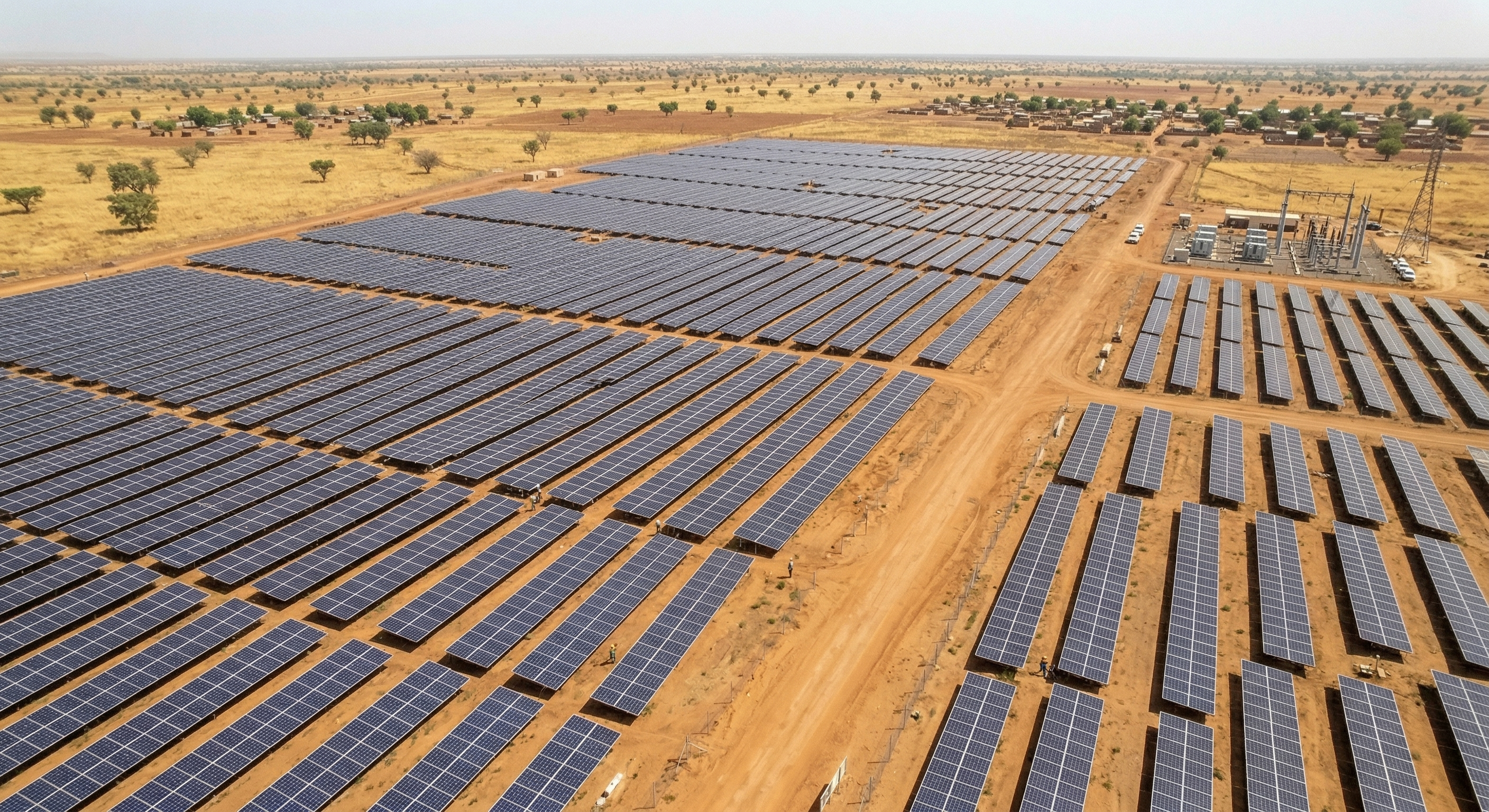
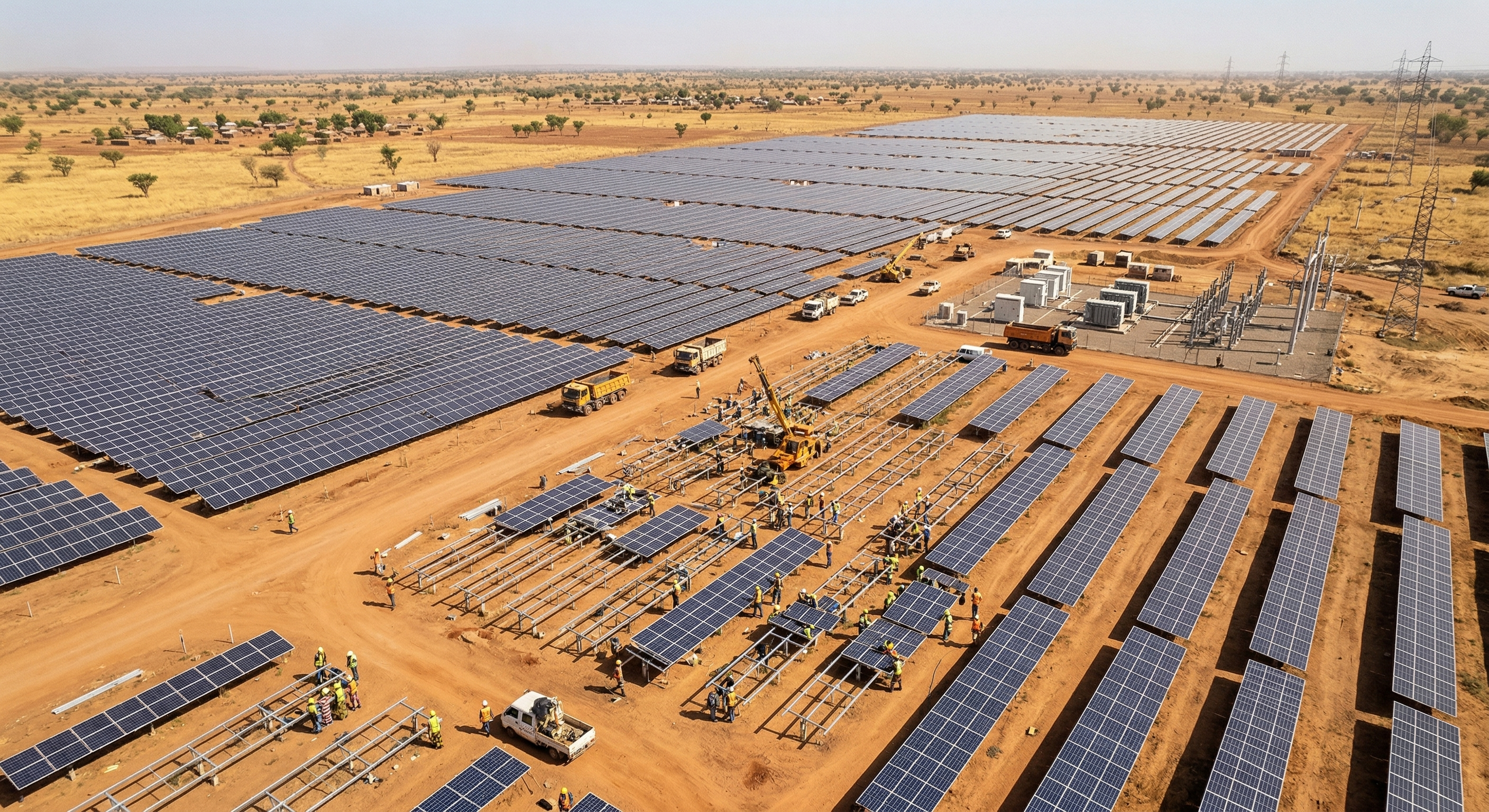
This project represents a large-scale, utility-scale renewable energy infrastructure investment implemented under the challenging climatic and geographical conditions of West Africa. Spanning tens of thousands of square meters of construction area, the project’s most significant engineering and site management achievement is;
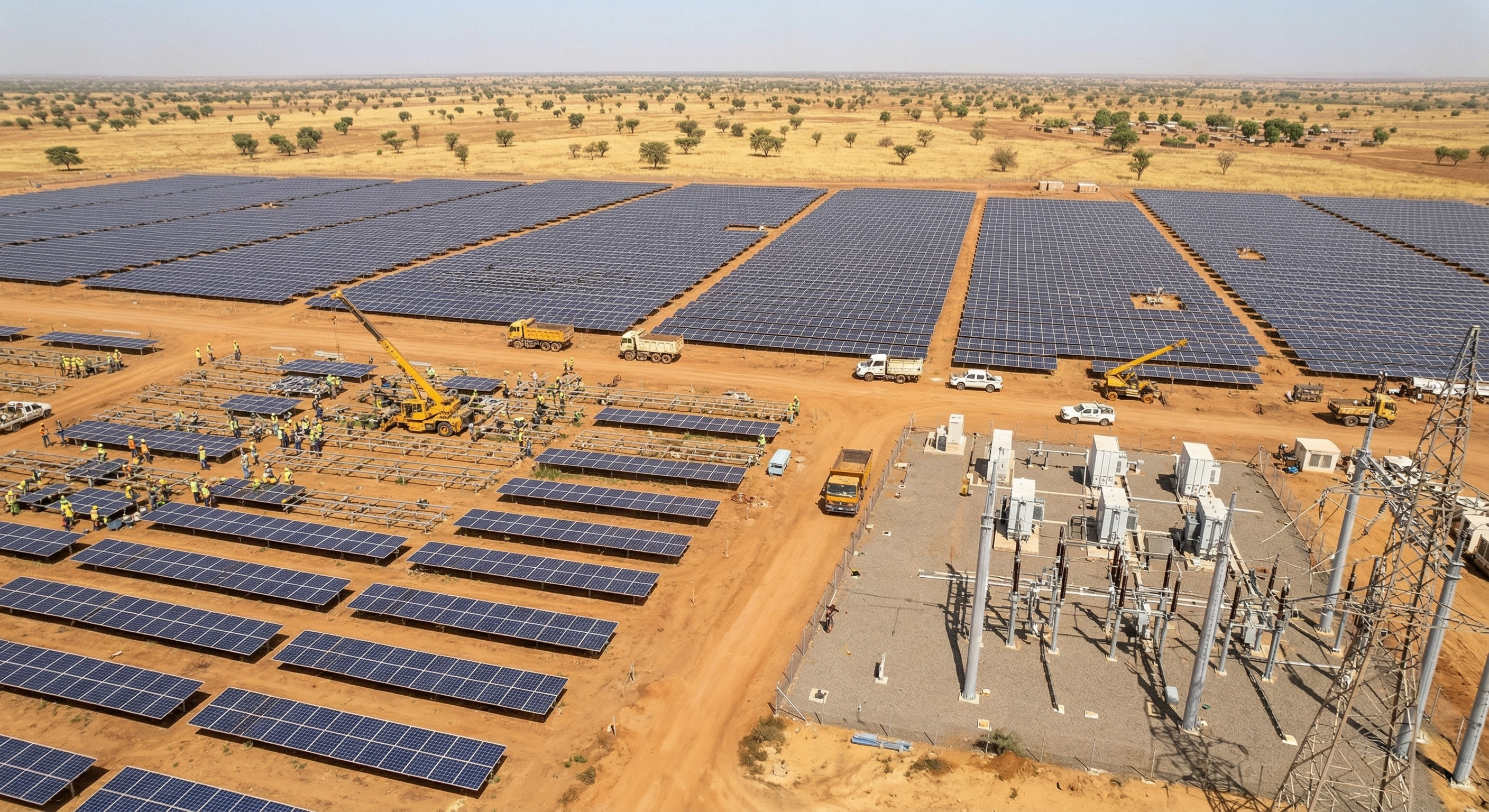
The completion of all Engineering, Procurement, and Construction (EPC) processes within 2020, delivered at a record pace in less than one year, ready for commercial operation.
The facility was designed to independently meet the electricity demand of tens of thousands of households while directly contributing to the regional energy supply through the main grid. The plant’s capacity is defined as;
A total installed DC capacity of 20 MWp (Megawatt-peak), achieved using approximately 50,000 high-efficiency panels, with an annual clean energy production capacity of 32 GWh (Gigawatt-hours).
To ensure maximum efficiency under extreme environmental conditions such as high temperatures and dust;
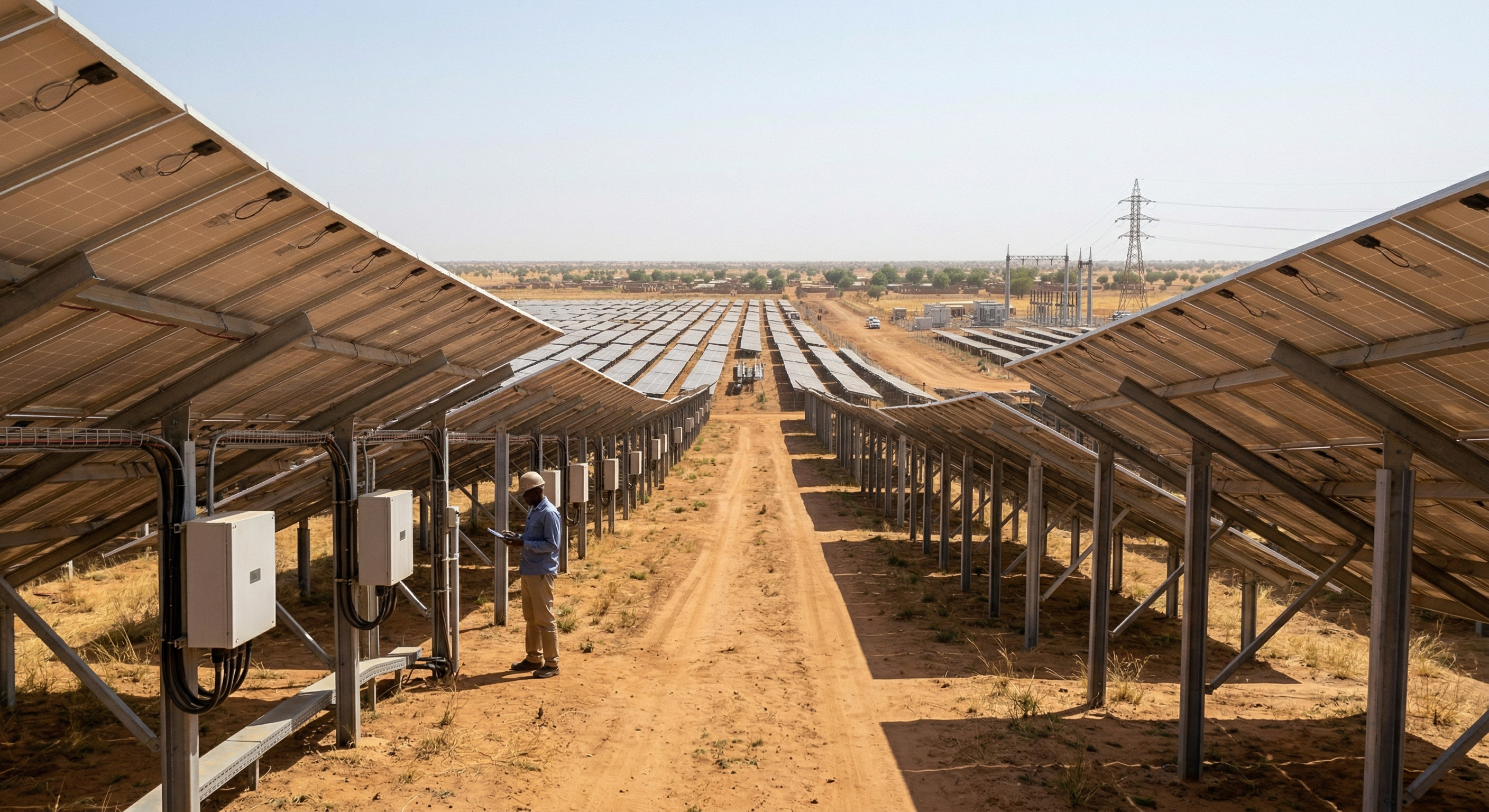
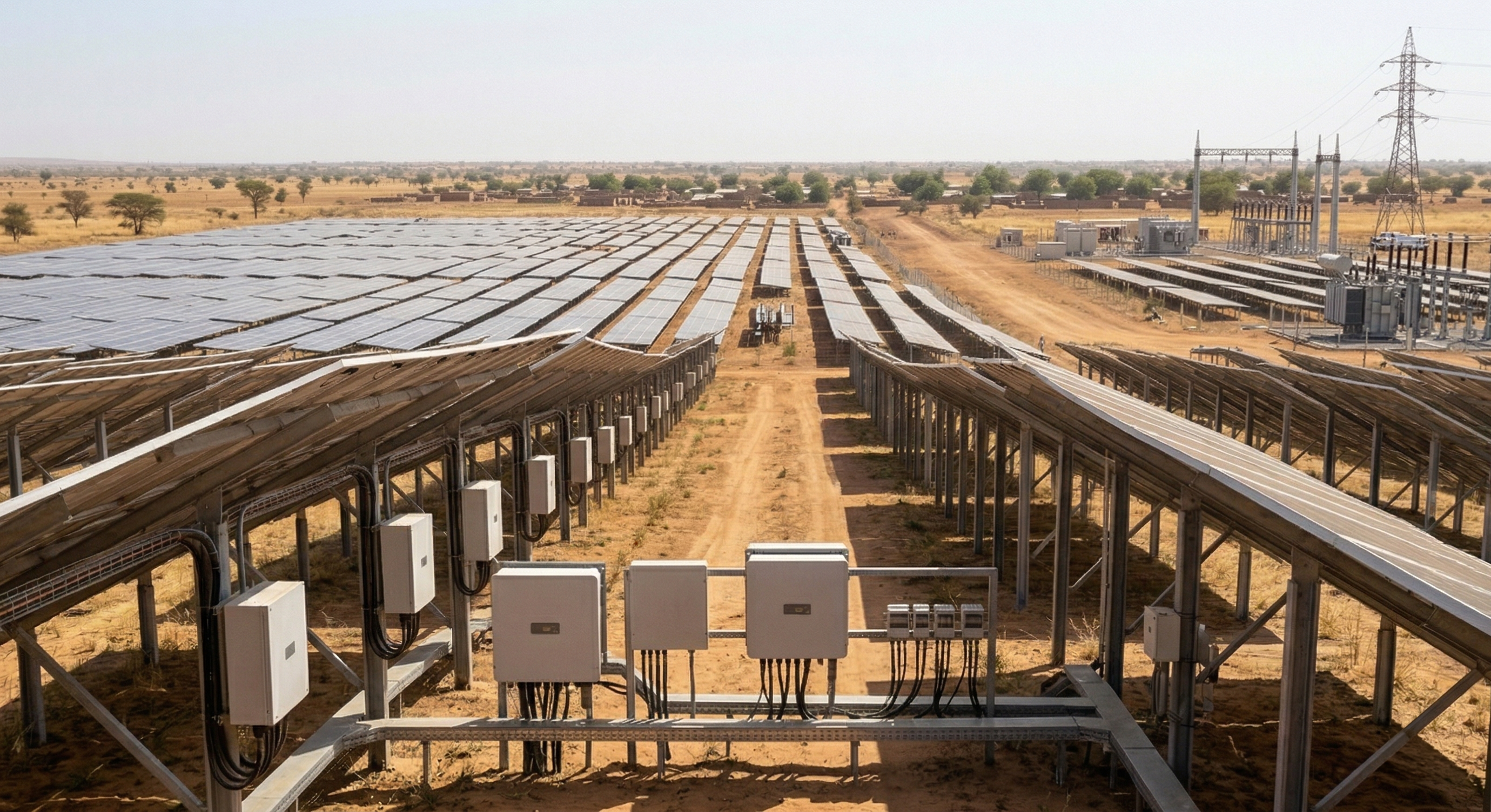
400Wp panels with high thermal resistance using monocrystalline PERK (Passivated Emitter and Rear Cell) technology were utilized, supported by 200 string inverters, each with a capacity of 100 kWac.
To enable the safe and lossless integration of this large-scale energy output into the national grid, a robust electrical infrastructure was constructed from scratch. Within this scope;
Five dedicated transformer substations were installed on-site, stepping up low-voltage AC output to medium voltage (MV) for grid integration.
Equipped with advanced SCADA systems and meteorological monitoring stations for real-time performance tracking, the project was successfully delivered without compromising worker safety, achieving the “Zero Accident” target despite its accelerated execution timeline.